_edited.jpg)
Empowering Children Through Life Skills and Connection
In today's fast-paced world, children face challenges that require more than just academic knowledge. They need life skills that empower them to navigate their environment confidently. Teaching these skills is essential for their growth and development. By fostering connections and providing practical experiences, we can help children thrive in various aspects of life.
Life skills are not just about learning how to cook or manage money. They encompass a wide range of abilities that enable children to handle everyday situations. These skills include communication, problem-solving, decision-making, and emotional intelligence. When children learn these skills, they become more resilient and better equipped to face life's challenges.
Building connections is equally important. Children who feel connected to their families, peers, and communities are more likely to develop a strong sense of self-worth. They learn to trust others and build healthy relationships. This sense of belonging is crucial for their emotional well-being and overall development.
The Importance of Life Skills
Life skills are essential for children as they prepare for adulthood. Here are some key reasons why teaching these skills is vital:
Independence: Life skills promote independence. When children learn to cook, clean, and manage their time, they become more self-sufficient.
Confidence: Mastering new skills boosts children's confidence. They feel proud of their accomplishments, which encourages them to take on new challenges.
Problem-Solving: Life skills teach children how to approach problems logically. They learn to analyze situations and come up with effective solutions.
Social Skills: Communication and interpersonal skills are crucial for building relationships. Children who learn to express themselves clearly and listen to others are better equipped to make friends and work in teams.
Emotional Regulation: Understanding emotions is a key life skill. Children who can identify and manage their feelings are more likely to handle stress and adversity.
By focusing on these areas, we can help children develop a well-rounded skill set that prepares them for the future.
Practical Life Skills to Teach
There are many life skills that parents and educators can teach children. Here are some practical examples:
Cooking
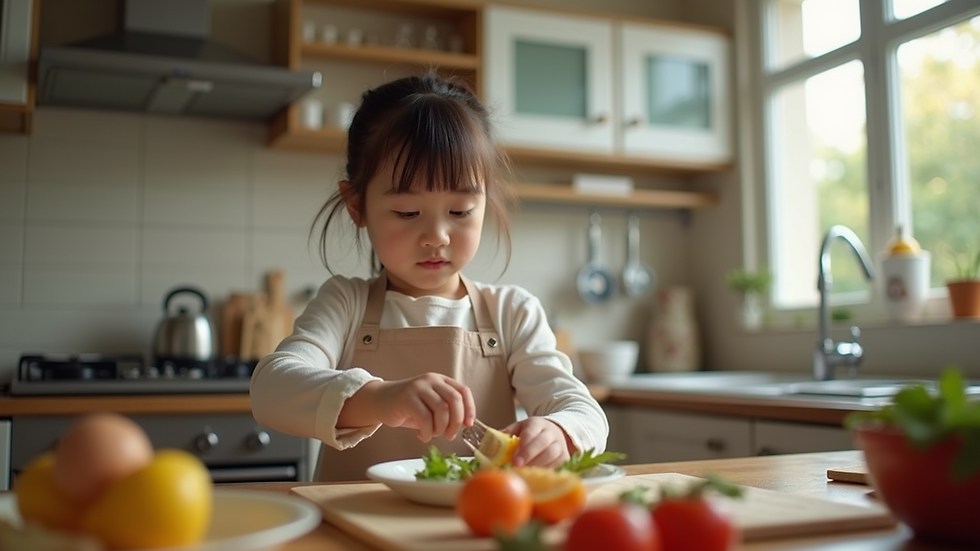
Cooking is a fundamental life skill that every child should learn. It promotes independence and healthy eating habits. Start with simple recipes that require minimal ingredients. As children gain confidence, introduce more complex dishes.
For example, you can begin with making a sandwich or a smoothie. Once they master these, move on to cooking pasta or baking cookies. Cooking together can also be a fun bonding experience.
Time Management
Teaching children how to manage their time is crucial. Help them create a daily schedule that includes time for homework, chores, and leisure activities. Use visual aids like charts or planners to make it easier for them to understand.
Encourage them to set goals and prioritize tasks. For instance, if they have a project due next week, help them break it down into smaller tasks to complete each day.
Financial Literacy
Understanding money is an important life skill. Start by teaching children the value of money and how to save. Use real-life examples, like saving for a toy or a game.
Introduce concepts like budgeting and spending wisely. You can create a simple budget for their allowance or earnings from chores. This will help them understand the importance of managing their finances.
Communication Skills
Effective communication is key to building relationships. Encourage children to express their thoughts and feelings openly. Role-playing different scenarios can help them practice their communication skills.
For example, you can simulate a conversation where they need to ask for help or resolve a conflict. This practice will boost their confidence in real-life situations.
Emotional Intelligence
Teaching children about emotions is essential for their well-being. Help them identify their feelings and understand how to express them appropriately. Use books or stories to discuss different emotions and how characters handle them.
Encourage children to talk about their feelings and validate their emotions. This will help them develop empathy and understand the feelings of others.
Building Connections
While teaching life skills is important, building connections is equally vital. Here are some ways to foster connections in children's lives:
Family Time
Spending quality time with family strengthens bonds. Create opportunities for family activities, such as game nights, movie nights, or outdoor adventures. These moments create lasting memories and reinforce the importance of family.
Community Involvement
Encourage children to get involved in their communities. Volunteering for local organizations or participating in community events helps them feel connected to others. It also teaches them the value of giving back.
Peer Relationships
Help children build friendships by encouraging social interactions. Arrange playdates or group activities where they can meet new friends. Teach them how to be good friends by showing kindness, sharing, and resolving conflicts.
Open Communication
Create an environment where children feel comfortable expressing themselves. Encourage them to share their thoughts and feelings without fear of judgment. This open communication fosters trust and strengthens relationships.
Supportive Environment
Provide a supportive environment where children feel safe to explore and learn. Celebrate their achievements, no matter how small, and offer guidance when they face challenges. This support helps them develop resilience and confidence.
The Role of Educators
Educators play a crucial role in teaching life skills and fostering connections. Here are some ways they can contribute:
Integrating Life Skills into Curriculum
Schools can incorporate life skills into their curriculum. Subjects like health, social studies, and even math can include lessons on cooking, budgeting, and communication. This integration makes learning relevant and practical.
Creating a Supportive Classroom Environment
Teachers can create a classroom environment that encourages collaboration and open communication. Group projects and discussions help students develop social skills and build connections with their peers.
Encouraging Extracurricular Activities
Schools should promote extracurricular activities that allow students to explore their interests and develop new skills. Clubs, sports, and community service projects provide opportunities for children to connect with others and learn valuable life skills.
Providing Resources for Parents
Educators can support parents by providing resources and workshops on teaching life skills at home. This partnership between parents and educators enhances children's learning experiences.
The Impact of Technology
In today's digital age, technology plays a significant role in children's lives. While it offers many benefits, it also presents challenges. Here are some ways to navigate technology while teaching life skills:
Digital Literacy
Teach children how to use technology responsibly. This includes understanding online safety, recognizing credible sources, and managing screen time. Digital literacy is a crucial life skill in the modern world.
Balancing Screen Time
Encourage children to balance screen time with other activities. Set limits on recreational screen time and promote outdoor play, reading, and family interactions. This balance helps them develop a well-rounded lifestyle.
Using Technology for Learning
Leverage technology to enhance learning experiences. There are many educational apps and online resources that can help children develop life skills. For example, cooking apps can teach them new recipes, while budgeting apps can help them manage their finances.
Nurturing Lifelong Skills
Empowering children through life skills and connection is not a one-time effort. It requires ongoing support and encouragement. Here are some tips for nurturing these skills throughout childhood:
Be a Role Model
Children learn by observing their parents and caregivers. Be a positive role model by demonstrating life skills in your daily life. Show them how you manage your time, communicate effectively, and handle challenges.
Encourage Exploration
Allow children to explore their interests and try new things. Whether it's a new hobby, sport, or activity, encourage them to step out of their comfort zone. This exploration helps them discover their passions and develop new skills.
Celebrate Progress
Celebrate children's achievements, no matter how small. Acknowledge their efforts and progress in developing life skills. This recognition boosts their confidence and motivates them to continue learning.
Foster a Growth Mindset
Teach children the importance of a growth mindset. Encourage them to view challenges as opportunities for growth. Help them understand that making mistakes is a part of learning and that perseverance leads to success.
Stay Involved
Stay involved in your child's life as they grow. Regularly check in on their progress and offer support when needed. This involvement shows them that you care and are invested in their development.
A Bright Future Awaits
Empowering children through life skills and connection is a journey that requires patience and dedication. By teaching them essential skills and fostering meaningful relationships, we prepare them for a bright future.
As they grow into confident, capable individuals, they will be better equipped to navigate the complexities of life. Together, we can create a supportive environment that nurtures their growth and development.
By investing in our children's lives today, we are shaping a better tomorrow. Let us commit to empowering them with the skills and connections they need to thrive.


Comments